



Division of Water Quality - Underground Storage Tank Program
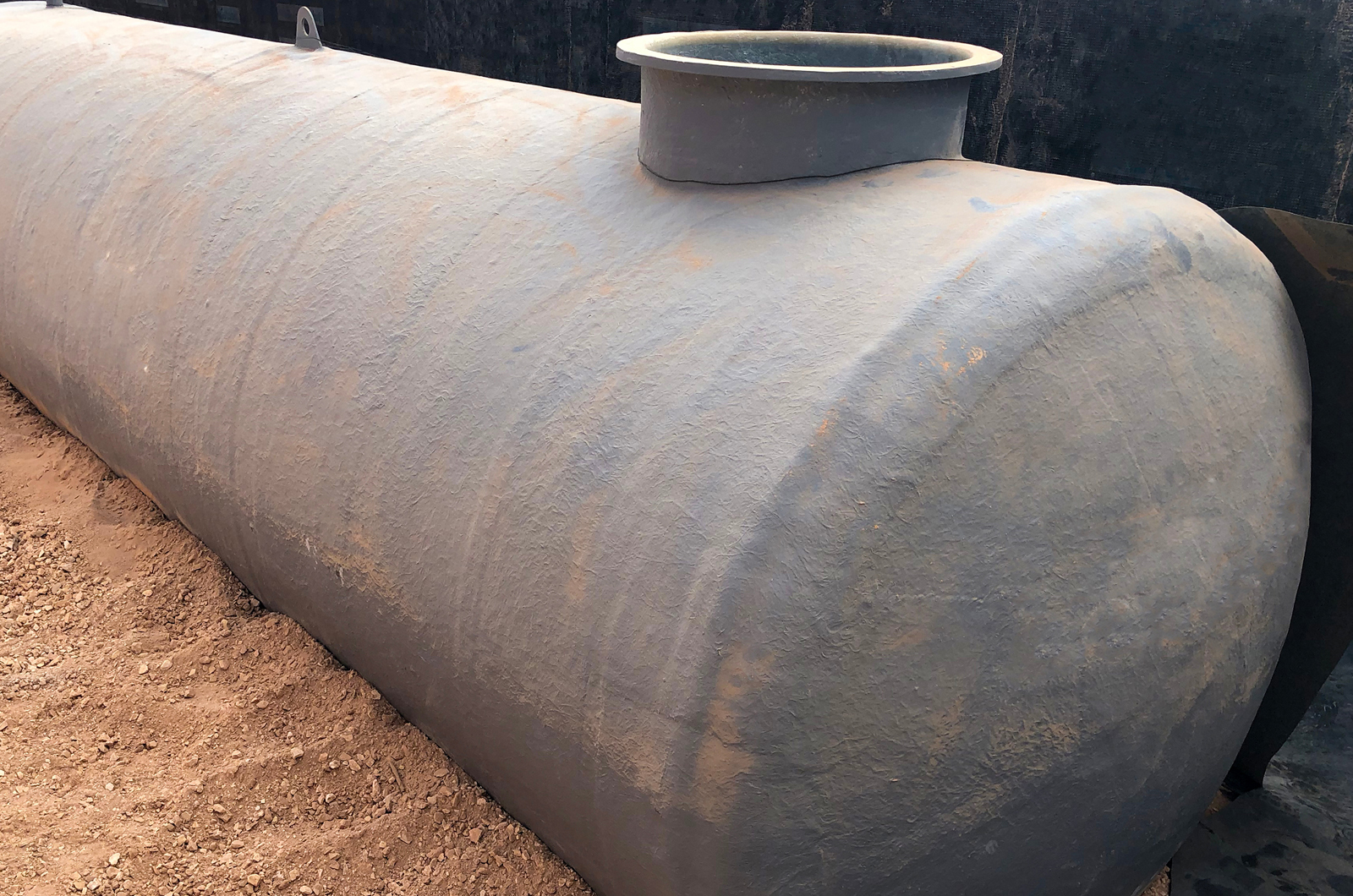
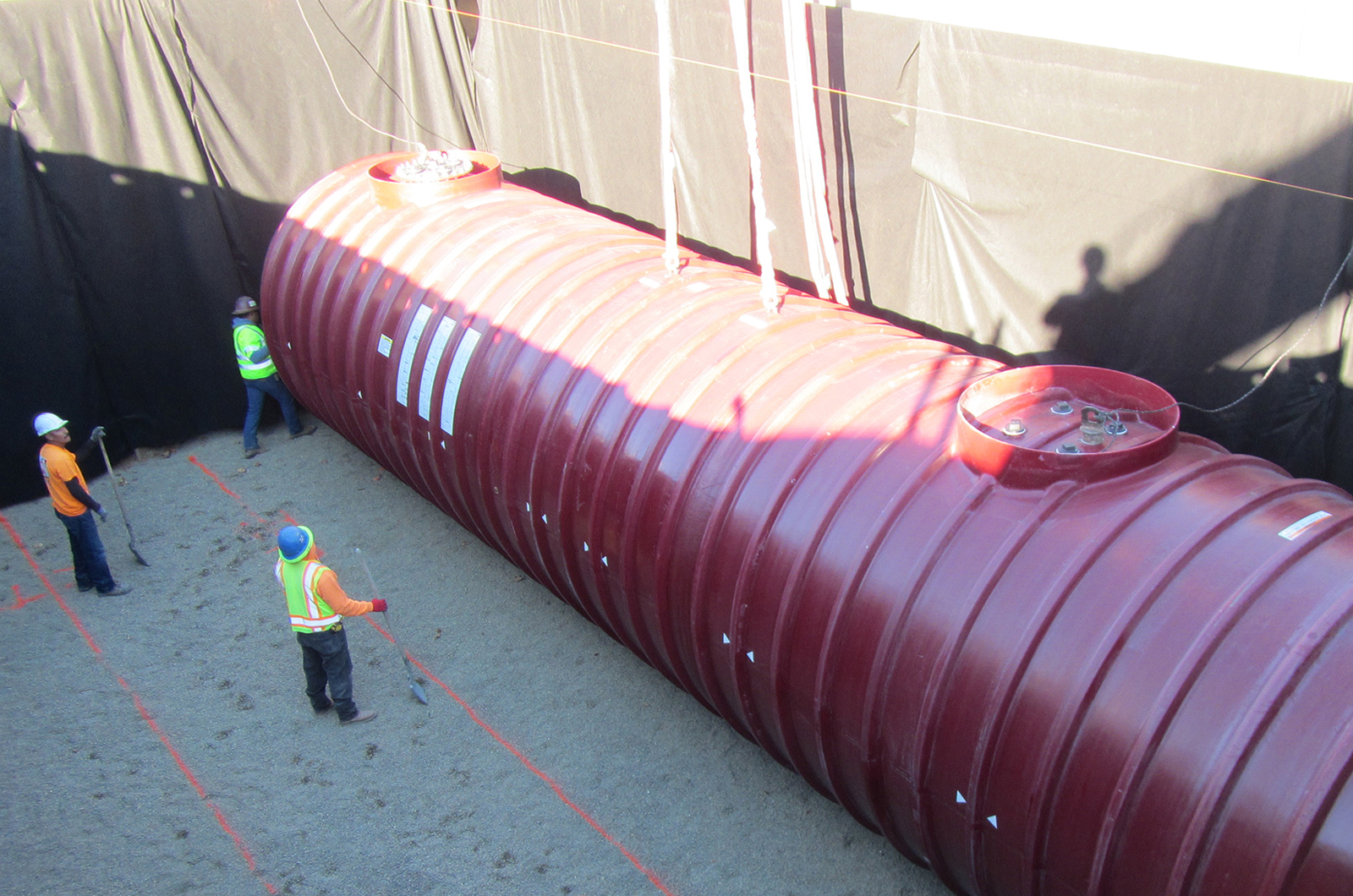
An underground storage tank (UST) is defined by law as "any one or combination of tanks, including pipes connected thereto, that is used for the storage of hazardous substances and that is substantially or totally beneath the surface of the ground" (certain exceptions apply).
The statewide UST Program works to protect public health and safety and the environment from releases of petroleum and other hazardous substances from USTs through four elements: the Leak Prevention Program, Office of Tank Tester Licensing, cleanup of petroleum releases from UST systems and Low Threat Closure, and enforcement.
Highlights
Leak Prevention Program
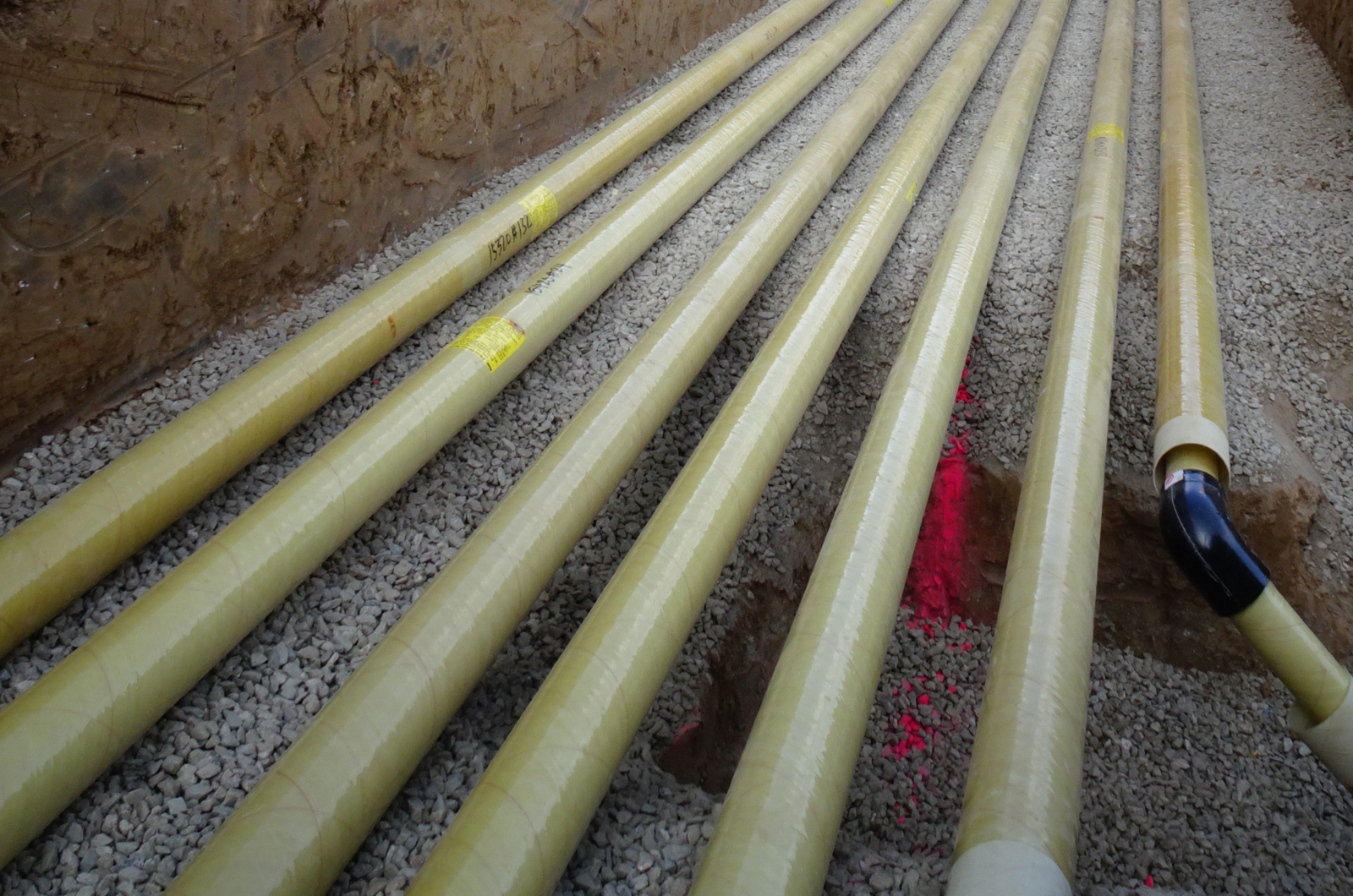
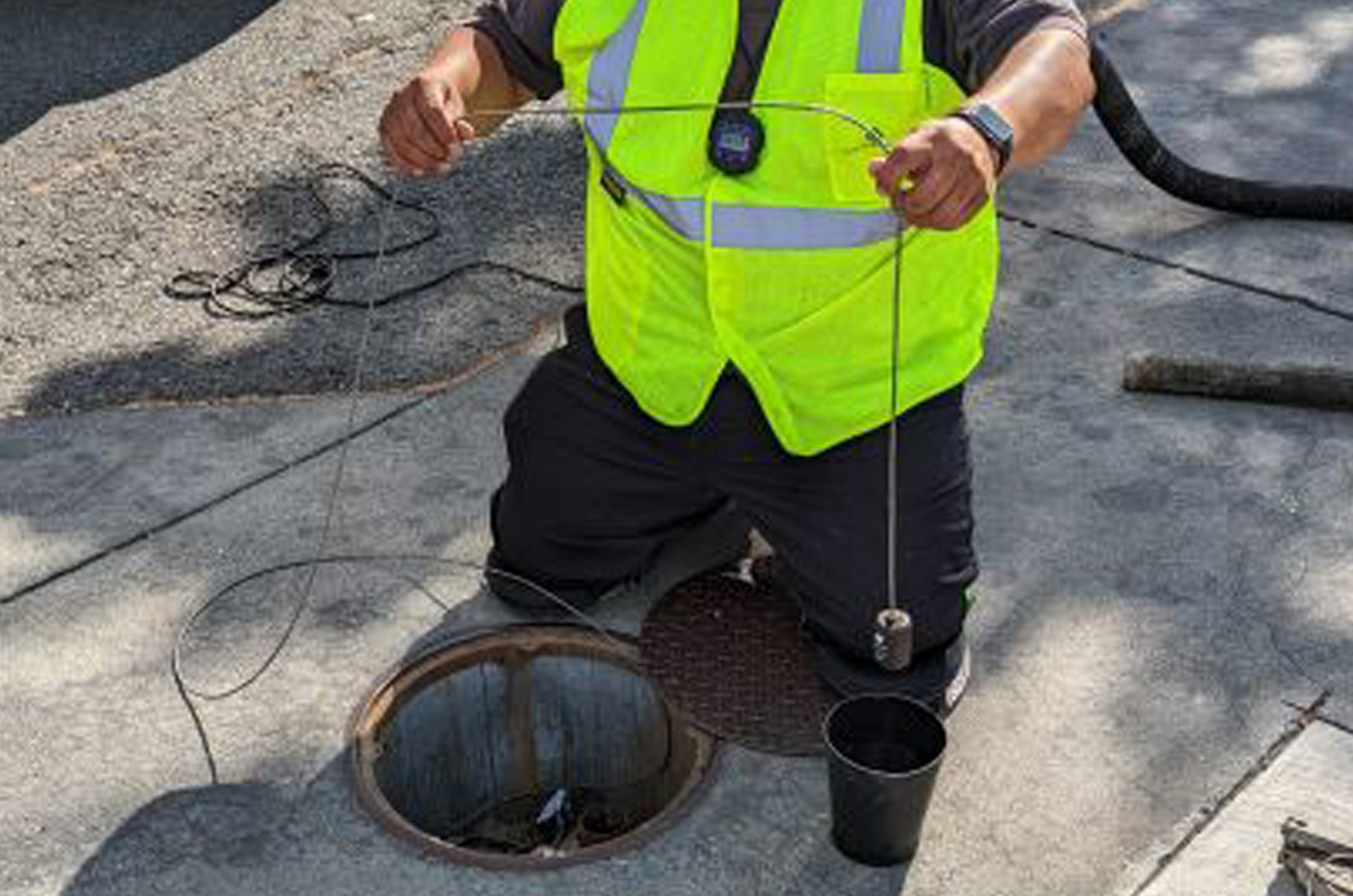
Office of Tank Tester Licensing
UST Cleanup
UST Enforcement
Groundwater Cleanup Information and Resources
- UST Cleanup Program Update, 6-18-13
- GeoTracker Electronic Submittal of Information (ESI) FAQs
- Leak Prevention FAQs
- Low-Threat UST Case Closure Policy FAQs
- Well Destruction and Waste Removal Fact Sheet
- GW Impact – LUST/Site Cleanup Program Fact Sheet
- Site Cleanup Program Story
- Water Boards Cleanup Programs Fact Sheet
- California Environmental Reporting System (CERS) FAQs
- USEPA UST Program
- EPA UST/LUST Cooperative Agreement Review – 2020
- Corrosion of Metal Components in USTs Storing Diesel and Gasoline-Ethanol Blends
- LTCP Checklist Validation and Case Transfer Project, Sullivan, January, 2014
- Cafe Camellia - Bellflower, CA – U.S. EPA Region 9 Success Story
- I-710 Corridor Site Assessments – U.S. EPA Region 9 Success Story
- Study on Leaking Underground Storage Tanks in California, Tetra Tech, EMI, 2012
Stay informed
Email Subscription List
Subscribe to our email lists to receive notifications and the latest updates.
Contact Us
Have a program-specific question? Ask the program.
Contact information is available on the program pages.

